Configurar cookies
Nosotros
Dr. M. G. Marcos
Equipo
Galería de vídeos
Cirugía refractiva
Láser Femtosegundo
Lentes intraoculares ICL
Servicios
Tratamientos con láser
Tratamientos con microcirugía
Pruebas diagnósticas
Inyecciones intravítreas en oftalmología
Cirugía PRK
Enfermedades oculares
Miopía
Astigmatismo
Hipermetropía
Cataratas
Operación de vista cansada
Glaucoma
Cirugía oculoplástica
Oftalmología pediátrica
Abecedario ocular
Guía del paciente
Ventajas IOM
Preguntas frecuentes
Financiación
Blog
Noticias
Contacto
English
Deutsch
Français
中文
العربية
Noticias
Inicio
Noticias
IOM
Noticias
27/03/2026
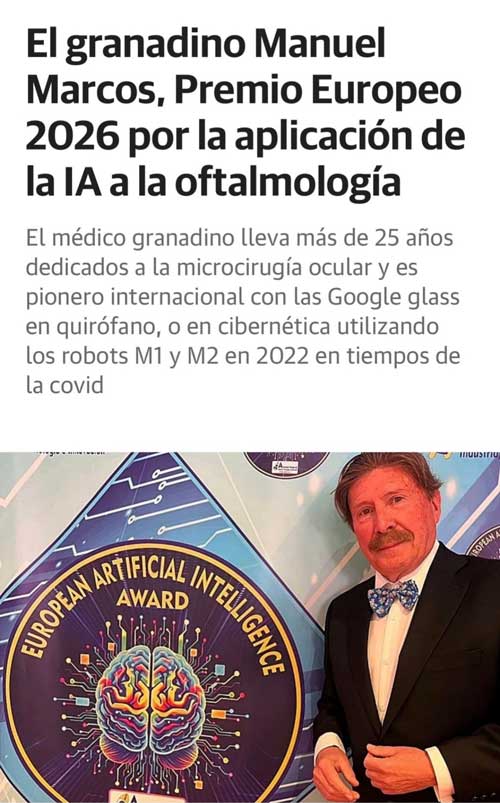
PREMIO EUROPEO IA 2026 al IOM, AVANCES OFTALMOLÓGÍA 2026 y PREMIO ROTARY HUELLA 2026.
02/10/2025
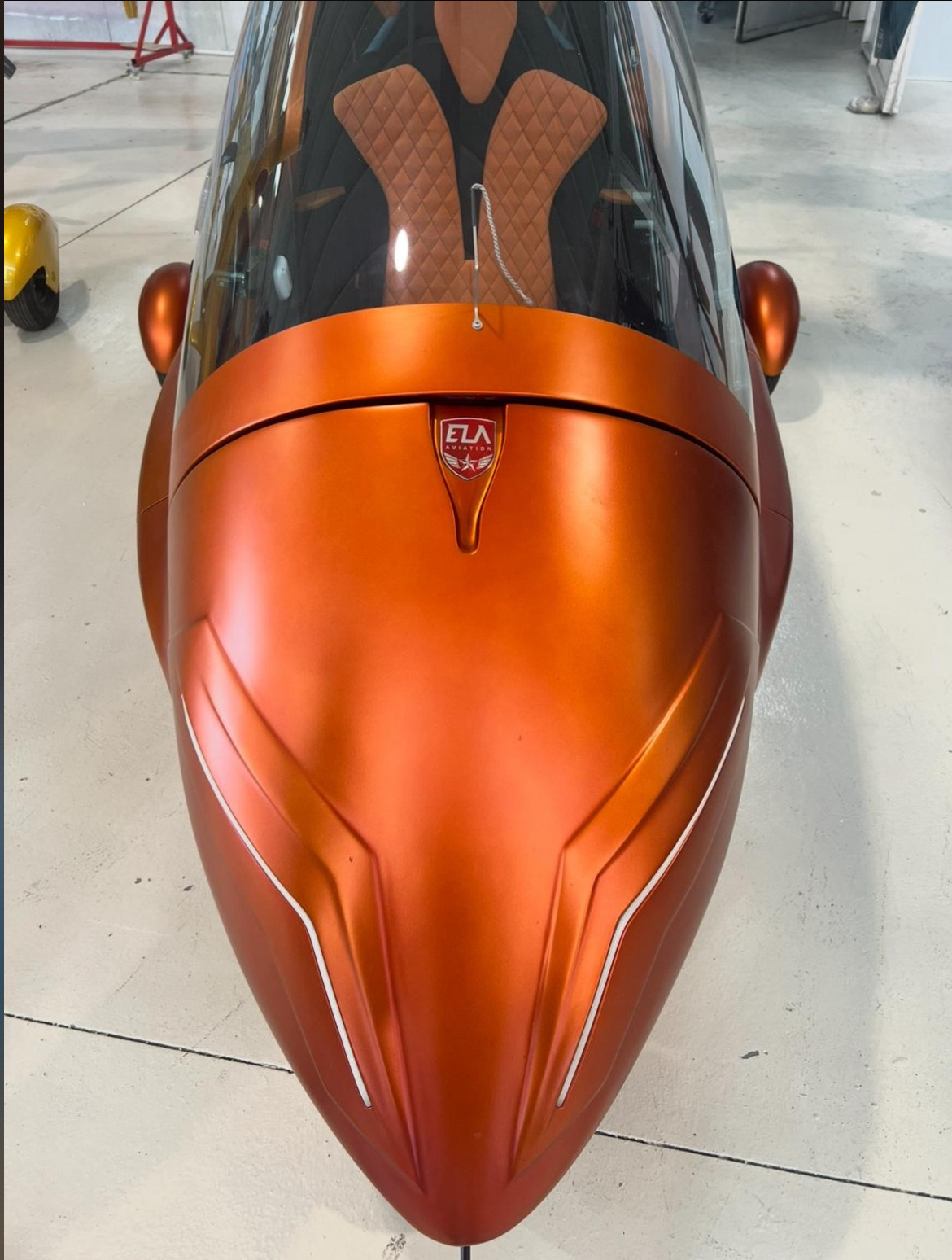
VIZZ 2025. Gotas para la vista cansada / URM 2025. Estética ocular IOM / Starlite Gala 2025 & IOM / Ela 10 Eclipse & IOM
14/08/2025
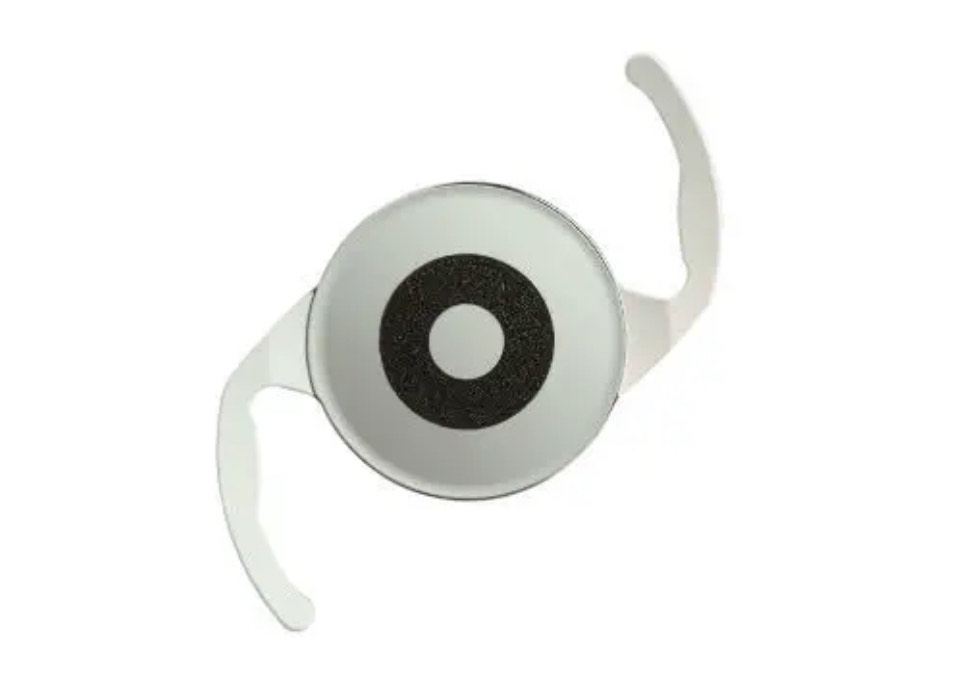
LIO IC-8 2025. CIRUGIA PREMIUM. IOM / IOM ISF Infancia sin fronteras / VALMAR 2025
01/08/2025
Google Glass y Apple Vision Pro / 2025 Nuevo EYLEA 114,3 / Solidaridad Rotary Club 2025 / Premio EEE 2025
03/02/2025
PREMIO EUROPEO EEE 2024. AVANCES EN CATARATAS Y VISTA CANSADA. EXPO MONTIEL 2024.
04/12/2024
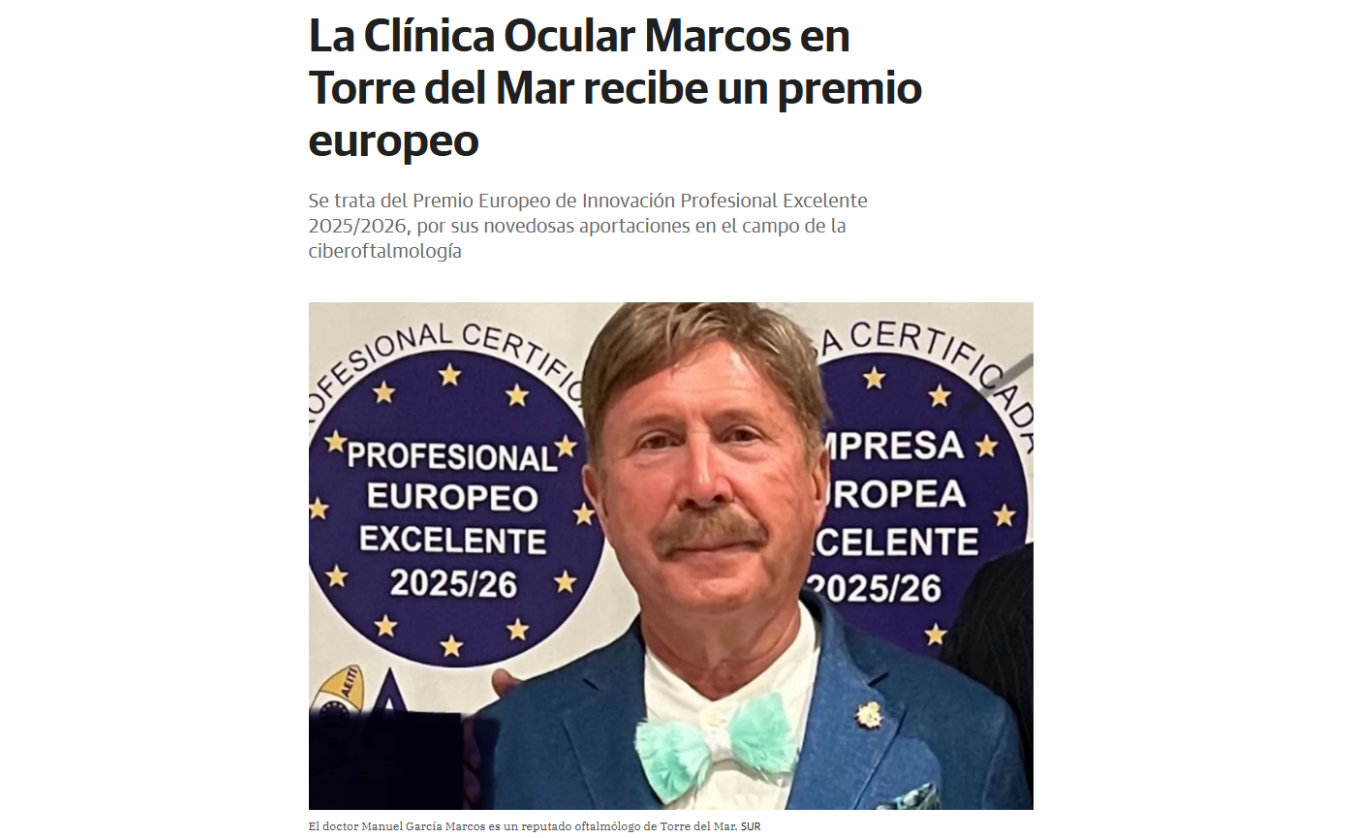
La Clínica Ocular Marcos recibe el Premio EEE, Empresa Europea de Excelencia, 2025/26
15/10/2024
WOC 2024 e IOM, INVITACIÓN al SENADO IOM 2024, FIESTAS SOLIDARIAS GUADIX 2024.
09/08/2024
IOM PIONERO EUROPEO EN SUPRACOR TE 2024. GALA SOLIDARIA STARLIGHT 2024.
25/07/2024
IOM en el CONGRESO 2024. PAAO CURSO CIRUGÍA REFRACTIVA. GALA SOLIDARIA ROTARY 2024. JETT PLASMA.
21/06/2024
NEXU & IOM 2024 LONGEVIDAD 2024. EYEWORLD & IOM.
31/05/2024
CAMBIO COLOR OJOS?. DÍA MUNDIAL SIN TABACO 2024. FERIA DE ABRIL 2024.
23/05/2024
IA, OU e IOM 2024. EEE e IOM 2024. EL ROCIO 2024.
03/04/2024
El IOM en el FCM 2024 NEUROAVANCES 2024 CONGRESO CIRUGIA GLAUCOMA 2024
12/01/2024
OFTALMOLOGÍA 2024. OFTALMOLOGÍA ROBÓTICA. AAO SAN FRANCISCO 2023-2024.
04/12/2023
ESCULTURAS MGM. JULIO IGLESIAS: FELICIDADES II. CONGRESO INT’L AAO 2023. ESCOLARIDAD SOLIDARIA ( LEONES 2023).
24/11/2023
AGI: “ LA NUEVA AI “. MALAGA: 2024 BWC. LO MEJOR DE LA AAO. San Francisco 2024.
08/11/2023
LEONORMANÍA & IOM. CONSENTINO CITY & IOM. LÍMITES DE LA IA & IOM.
23/10/2023
DIA DE LA HISPANIDAD 2023 SEMANA MUNDIAL DE LA VISIÓN 2023
06/10/2023
CHAT GPT 2023 EN OFTALMOLOGÍA. DOÑA LETICIA y II CITSHU.
29/09/2023
STARLIGHT 2023 & IOM PEI : PREMIO EUROPEO DE INNOVACIÓN & IOM NO TOUCH LASER PRESBICIA Y MIOPIA
23/06/2023
ESCULTURAS IOM 2023. CHAT GPT 4 Y 5. DR. C. MILLA CONF SESOC 2023. SOLIDARIDAD JULIO 2023
29/05/2023
SECOIR 2023 & IOM. APAO y LASOA. SOLIDARIDAD Y ARTE IOM.
19/05/2023
SUPRACOR & IOM. IA: SUS LIMITES. SSS 2023.
28/04/2023
INTELIGENCIA ARTIFICIAL & IOM. SSS 2023. SOLIDARIDAD DIKSHA 2023.
1
2
3
4
5
6
7
8
9